


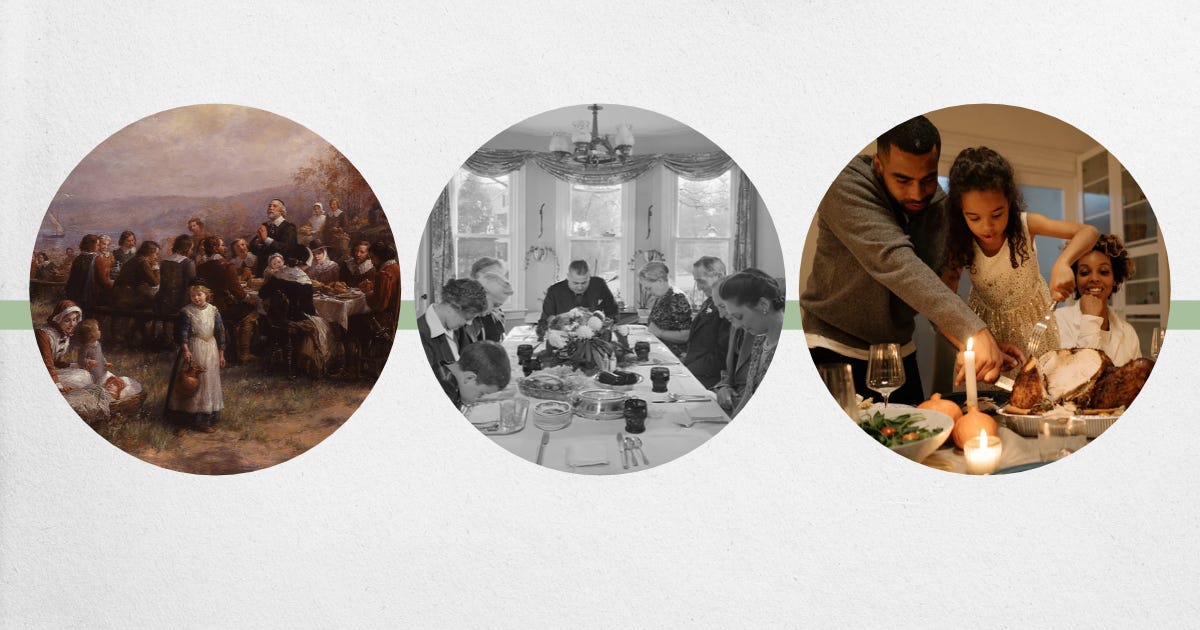
In this week’s special Thanksgiving episode of the National Constitution Center’s We the People podcast, I had the pleasure of speaking with Melanie Kirkpatrick, author of Thanksgiving: The Holiday at the Heart of the American Experience. Together, we explored four centuries of Thanksgiving history and how generations of Americans have found meaning in the shared practice of gratitude.
What struck me most from our conversation was how thoroughly Thanksgiving has fulfilled the vision of Sarah Josepha Hale, the heroine of our modern holiday, who believed that shared national traditions could help bind Americans together.
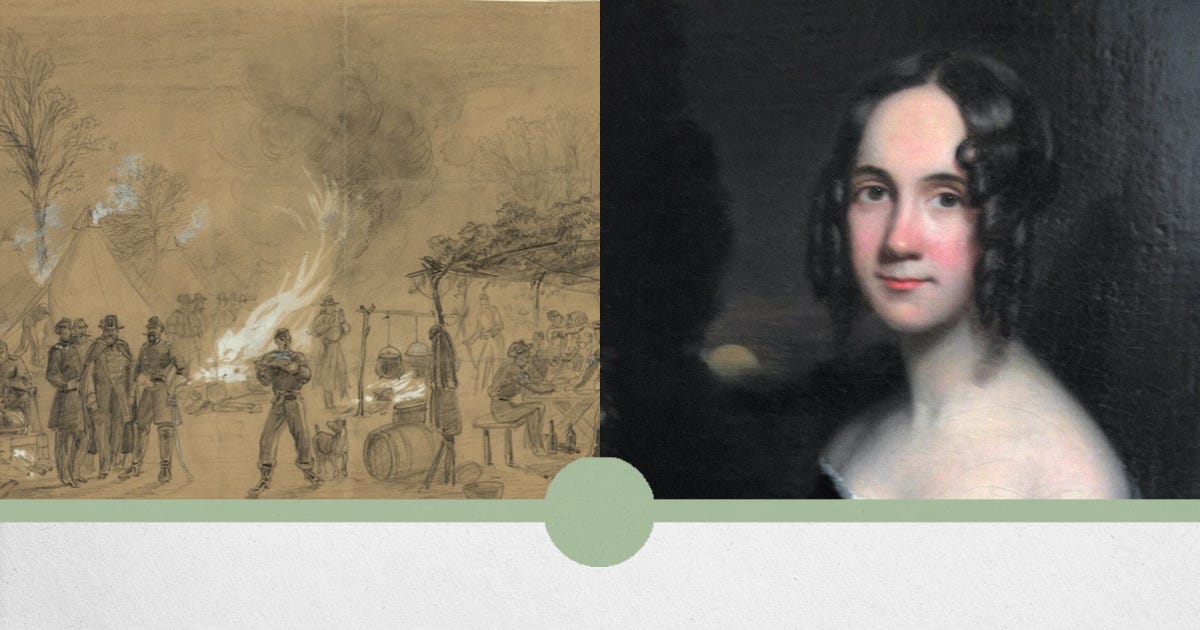
Hale imagined families gathering in their respective homes on the same day, united through a common celebration despite differences in geography, background, and belief. Across generations of war and peace, national hardship and prosperity, and profound social change, her vision has become an enduring feature of American life. Each year, millions of us gather around our own tables, participating in a tradition that connects us not only to fellow Americans across the country, but to generations who came before us and those who will follow.
What makes that connection especially meaningful is the extraordinary history woven into the holiday itself. Our celebrations carry echoes of Indigenous traditions of giving thanks, colonial religious observances, George Washington’s gratitude for the blessings of constitutional self-government, and Abraham Lincoln’s call for Americans to acknowledge their blessings “with one heart and one voice” amid the Civil War. The customs we observe have been preserved, adapted, and enriched by successive generations. Whether we consciously recognize it or not, we carry that history to our Thanksgiving tables each year, and through our own traditions, pass it forward.
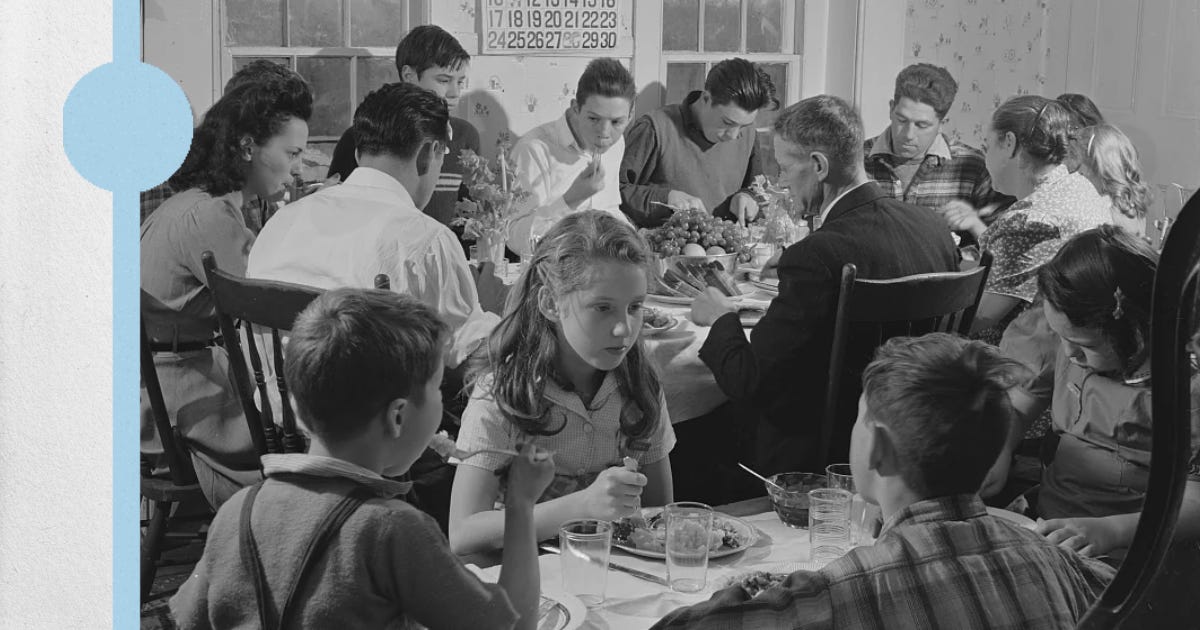
Last week, Stefanie Sanford and I reflected on the civic life of the table. This week, I’ve been thinking about the deeper historical inheritance we bring to it, and what it means to recognize that inheritance more consciously.
We can celebrate Thanksgiving our entire lives without knowing much about the people, events, and ideas that shaped it. Yet when we take the time to understand that history, our celebrations acquire a deeper sense of meaning and continuity. We recognize that generations before us gathered in circumstances very different from our own, finding reasons for gratitude amid uncertainty, hardship, extraordinary achievement, and profound change. Their experiences give us a richer appreciation for the blessings we enjoy today, the sacrifices that helped make them possible, and the responsibilities we share for preserving them.
This Thanksgiving, I hope you’ll explore that history for yourself and share what you discover with your friends, family, and children. Read Washington’s 1789 Thanksgiving proclamation, Lincoln’s moving words from 1863, or presidential Thanksgiving proclamations from across American history. Discover Hale’s remarkable campaign in Melanie’s Lady Editor: Sarah Josepha Hale and the Making of the Modern American Woman. And listen to our conversation or pick up Thanksgiving: The Holiday at the Heart of the American Experience to appreciate the broader history of the holiday.
I plan to bring Washington’s proclamation to our own Thanksgiving table. I’ve recently read several books about him with my daughters, and my eldest nephew just visited the People’s House Experience on a field trip, followed the next day by a classroom visit from me to explore the Constitution and our system of government. Washington is already a familiar presence at our holiday tables: We weave his letter to the Hebrew Congregation in Newport, Rhode Island into our Passover seder. This Thanksgiving, we can build on what the children have learned to explore why Washington gave thanks for liberty and constitutional self-government, and what it means for us to have inherited those blessings.
There is extraordinary civic and historical significance in the simple act of gathering around a Thanksgiving table. So pull up a chair. Make room for a meaningful conversation. Pick up a book, read a primary source together, ask a question about the past, or share a story from your own family’s history. Connect with our nation’s history, and most importantly, connect with one another.
Happy Thanksgiving.
Wonderful piece, Julie.
Julie, this is a terrific history of the holiday. Really it’s written so well with all the most meaningful threads of Thanksgiving woven in so well. I couldn’t have enjoyed it more. This holiday is my favorite across the calendar (even more than my own! birthday :) ) because it reminds us of how fortunate we are on so many levels. Wish there was a way more people could have a chance to enjoy/feel it. Thank you.