


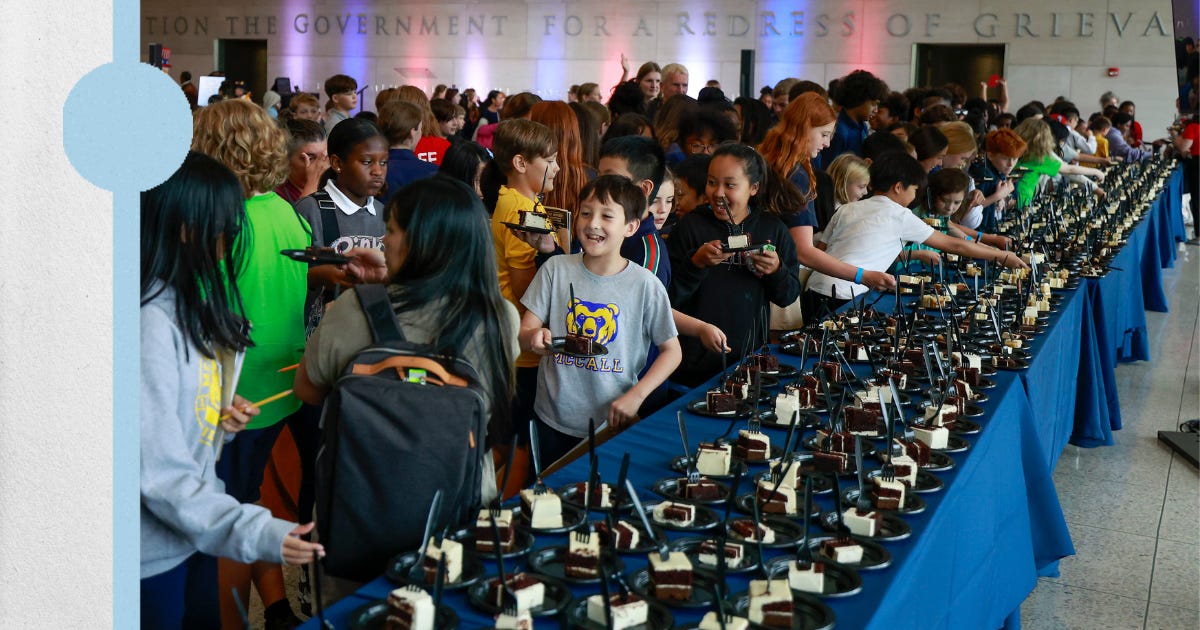
July Fourth has rituals Americans know by heart: fireworks, cookouts, parades, concerts, and family gatherings. Long before children understand the history of the Declaration of Independence, they know the day matters. They look forward to it.
Constitution Day feels different.
September 17 marks the anniversary of the signing of the United States Constitution in Philadelphia in 1787. And for most Americans, the place they are most likely to encounter Constitution Day is in a classroom or on a college campus.
There is a reason for that. Educational institutions receiving federal funds are required to provide programming about the Constitution each year. That requirement has created an important national infrastructure for constitutional education. K-12 educators introduce students to its history, ideas, and text through classroom activities and discussions. Universities host lectures and panels. Students hear from scholars and participate in debates and other programs.
All of that matters. But it also means that Constitution Day can feel more like an academic observance than a civic holiday. Something assigned. Something attended. Something checked off the calendar. Compliance can create a program. It cannot create a tradition.
As we move through the Civic Decade, I think we should set a bigger goal for September 17: Make Constitution Day a civic holiday Americans actually know about and want to celebrate.
We do not need to sacrifice substance to do that. We should absolutely read the Constitution. We should study its history, debate its meaning, explore the choices made in Philadelphia in 1787, and ask how its principles apply today. We should put primary sources into people’s hands and, yes, give away as many pocket Constitutions as possible.
But Constitution Day could also learn a few things from July Fourth.
July Fourth understands the power of ritual. It gives us traditions we anticipate and return to. It brings people together across generations. It happens in public squares and backyards, at historic sites and around family tables. There is music and food, ceremony and celebration, history and fun.
And those traditions were built. Americans began marking the anniversary almost immediately, with public readings, music, feasting, toasts, and fireworks. Over generations, those practices grew and changed until they became part of an annual rhythm of American life. They created emotional resonance and social capital around the day. That matters. The celebration creates an invitation. Constitution Day needs more of that.
But the lesson runs in both directions. July Fourth can learn something from Constitution Day, too. The fireworks and parades are powerful because they draw us together. But celebration should also invite us to go deeper. Why did Americans declare independence? What did they mean when they wrote that all people are created equal? What obligations do those ideals place on us today?
The pomp should not be the end of the experience. It should be a doorway into learning more.
That is the balance I think our civic holidays need: joy and substance, emotional resonance and intellectual curiosity, traditions that invite us in and opportunities that encourage us to keep going.
Constitution Day already has a strong foundation on which to build. Observances happen in schools, colleges, museums, libraries, historic sites, courthouses, and communities across the country. Constitution Day is also Citizenship Day, and naturalization ceremonies give September 17 one of its most emotionally powerful civic rituals. There are classroom programs, debates, lectures, and community gatherings.
We do not need to invent Constitution Day. We need to build a broader culture around it.
At the National Constitution Center, we have been experimenting with that combination for years. Constitution Day is one of the biggest days on our calendar. Thousands of students come through our doors. New American citizens take the oath of allegiance. Visitors hear the Preamble read aloud. Students encounter historical figures, original documents, and constitutional ideas. Classrooms across the country join virtually. The general public joins us for serious conversations with leading scholars about a range of constitutional topics.
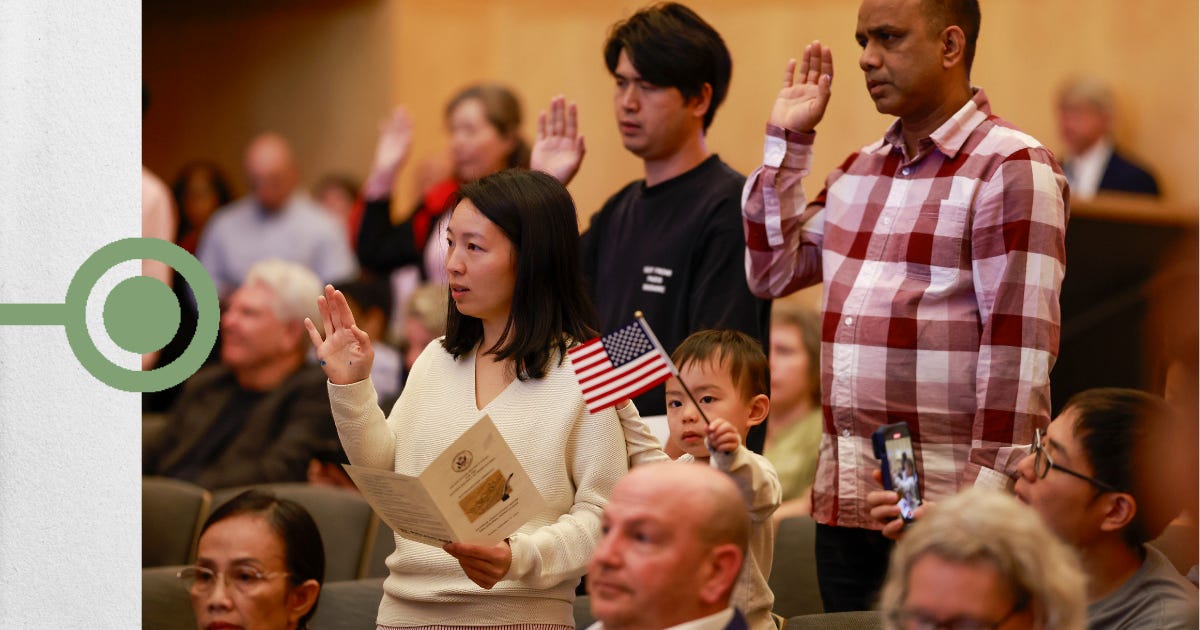
And pocket Constitutions are, quite literally, everywhere.
There is also birthday cake. Every year, our building fills with the sound of young people singing happy birthday to the Constitution. It is joyful. It is memorable. And it sits alongside the serious work of asking those same young people to read the Constitution, understand it, and consider what it means for their lives.
I think there is something important in that combination.
This year, we are widening the invitation further. The day before Constitution Day, we are opening Be a Civic Hero!, our first playful learning experience created especially for very young children and their families. We are also adding more children’s books and story hours, more opportunities for families to learn together, and more ways for our youngest visitors to enter civic life through curiosity, play, conversation, and exploration.
None of that makes the Constitution less serious. It gives more people a way in.
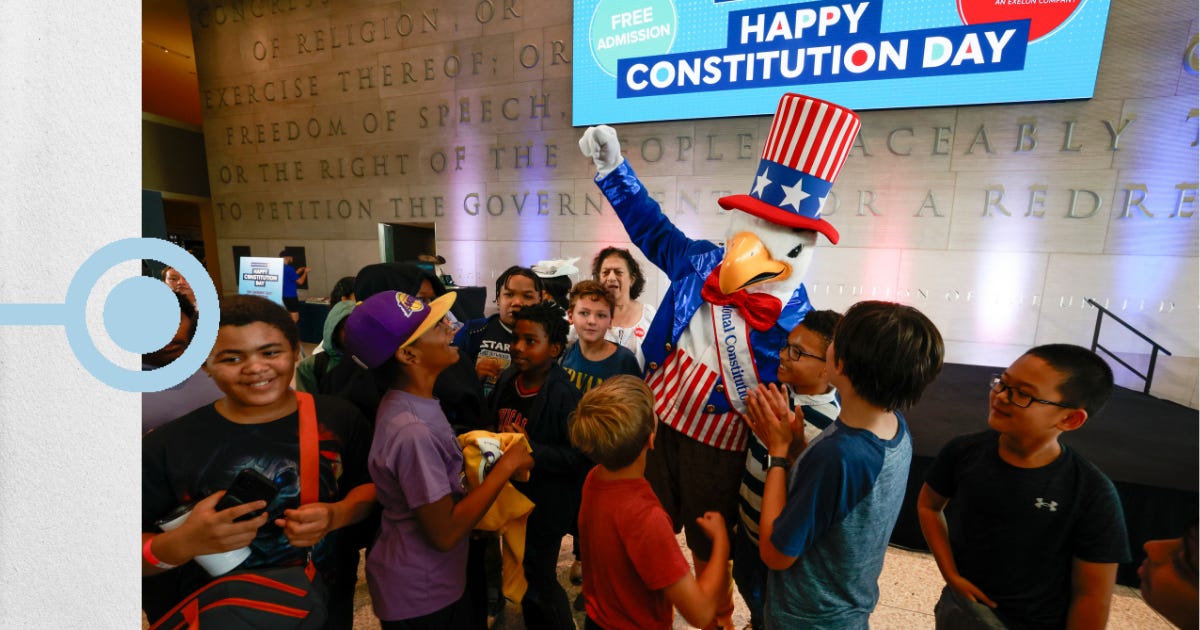
Now imagine more of that happening, in different shapes and sizes, across the country. A school might have a tradition students look forward to every September. A library might pair a constitutional conversation with a story hour for families. A historic site might hold a public reading of the Preamble or Constitution. A university might combine a lecture with music, food, or a student-led debate. A community might gather for a naturalization ceremony in a public space. A family might pull a pocket Constitution off the shelf at the dinner table.
Maybe there are even Constitution Day parades, neighborhood cookouts, and community celebrations of all kinds. September already marks a transition in American life: the return to school, to routines, and to a new season of learning. Constitution Day could become part of that rhythm, a moment of celebration that welcomes us back and then invites us to go deeper in the weeks and months that follow.
There should not be one prescribed way to celebrate Constitution Day. July Fourth teaches us that part, too. Its strength comes from a combination of shared national meaning and traditions that communities and families have made their own.
That is what Constitution Day can build toward: enough shared meaning that we recognize the day together, and enough room for people to make it theirs.
Some of it should be deeply substantive. Some of it should be ceremonial and celebratory. Some of it should simply be fun. And then we should do it all again the next year.
A child may first remember the cake or the story hour. Later, she may return with a question about the Constitution. Years later, the same holiday may prompt a conversation with her own family. The tradition remains familiar. The meaning deepens.
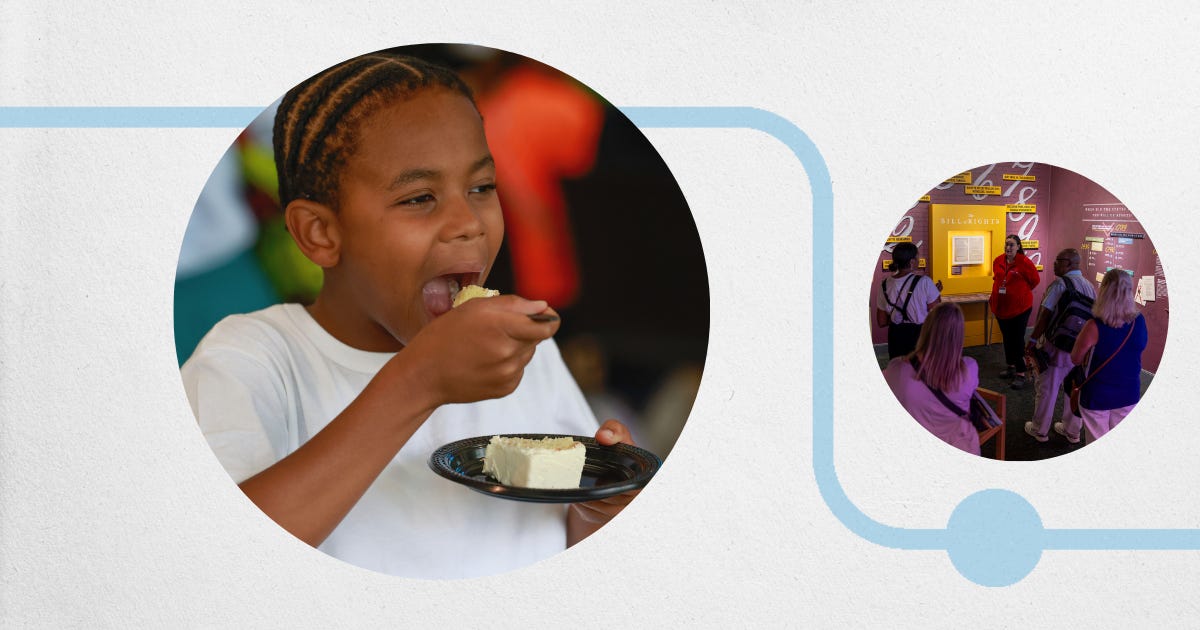
That, at their best, is what civic holidays can do. They give us something to anticipate and something to return to. They create shared memories while inviting new questions. They connect one generation to another without asking each generation to experience the day in exactly the same way.
Over the next 15 years, we have a unique opportunity to build that culture. By 2041, I hope September 17th feels different than it does today. I hope children know Constitution Day before someone assigns them a lesson about it. I hope families have traditions they look forward to. I hope schools, libraries, museums, universities, historic sites, and communities build on the celebrations already underway and make them distinctly their own.
And I hope July Fourth grows richer, too, as we find more ways to connect its extraordinary traditions to deeper engagement with the ideas at the heart of the Declaration.
Our civic holidays should not ask us to choose between learning and celebration. We need the parade and the primary source. The birthday cake and the constitutional debate. The story hour and the scholar talk. The traditions that make us want to show up, and the substance that makes showing up matter.
A strong civic culture needs both, too.
The best civic holidays invite us in with joy, give us something meaningful to return to, and leave us curious enough to keep learning after the celebration is over.
That is what Constitution Day can learn from July Fourth. And what July Fourth can learn from Constitution Day, too.
How are you celebrating Constitution Day this year?
I and other members of the League of Women Voters of North-West Westchester will be doing Voter Registration tabling at Pace University in Pleasantville NY today.
I get the Constitution Center emails, and today’s one was really encouraging. That’s actually how I found this Substack. I especially liked the idea of having Congress set up a commission for the 250th anniversary of the Constitution in 2037. Sustaining the current network of organizations and people working on the 250 anniversary of the Declaration of Independence will be critical. The same kind of effort will be needed for the 250th anniversary of the Bill of Rights in 2041.
Honestly, Congress should just pass one law that creates two commissions: one for the Constitution anniversary and one for the Bill of Rights anniversary.