


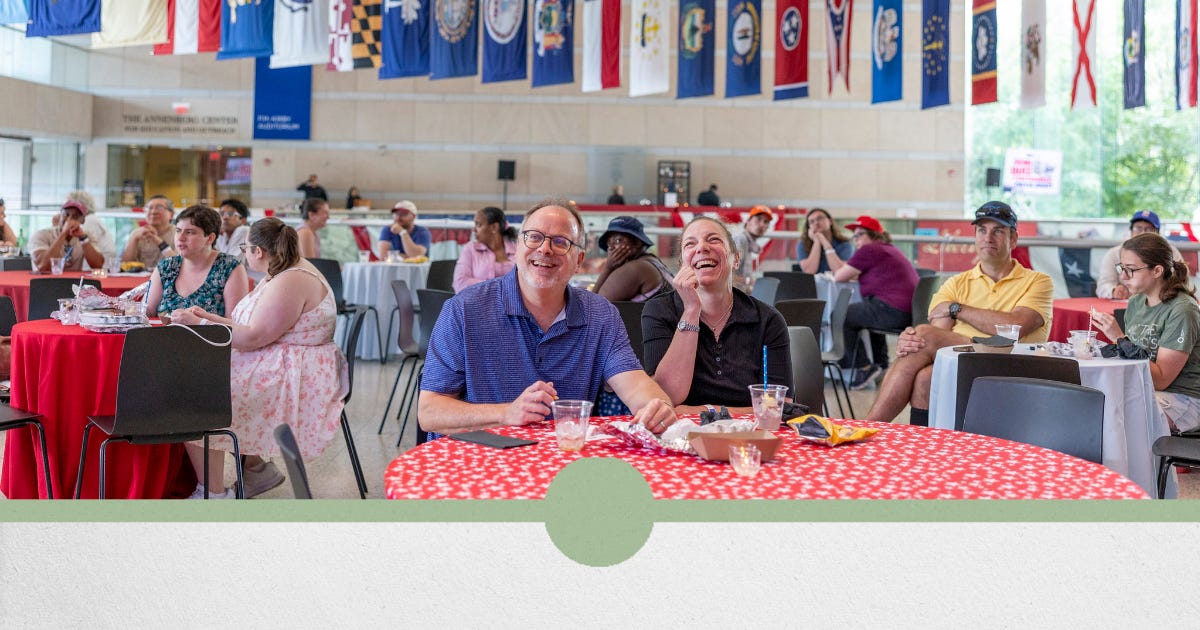
Trivia night at a museum. Game night at a library. Cocktails and crafts at a historic site. A concert in a public garden.
These may not look like civic programs, but they can open the door to civic institutions for people who might not otherwise see a place for themselves inside.
I spend a lot of time thinking and writing about children and families. I believe deeply that we need to start civic learning early, give families opportunities to learn together, and build habits of curiosity and engagement that can last a lifetime.
But civic learning cannot end when childhood does. To make civic learning truly lifelong, people need lifelong relationships with the institutions that provide it.
For children, civic institutions offer clear on-ramps. Schools organize field trips. Teachers introduce students to museums and historic sites. Family programs give parents, grandparents, and children a reason to visit and learn together.
As young people get older, however, those built-in invitations become less frequent. Eventually, they leave school altogether. Adults without children may have fewer natural reasons to walk through the doors of a museum or historic site. If visiting civic institutions is not already a personal interest or habit, there may be nothing prompting them to begin.
When those built-in invitations fall away, we need to create new ones.
Young adults and adults without children are not necessarily uninterested in history, ideas, or civic life. The question is how to create invitations that fit this stage of life, and that is where we can get creative.
An 18-year-old may not choose to spend Friday night at a history museum to see an exhibit, but he might come for a game night with friends. A 24-year-old may not sign up for a lecture, but she might show up for crafts or trivia.
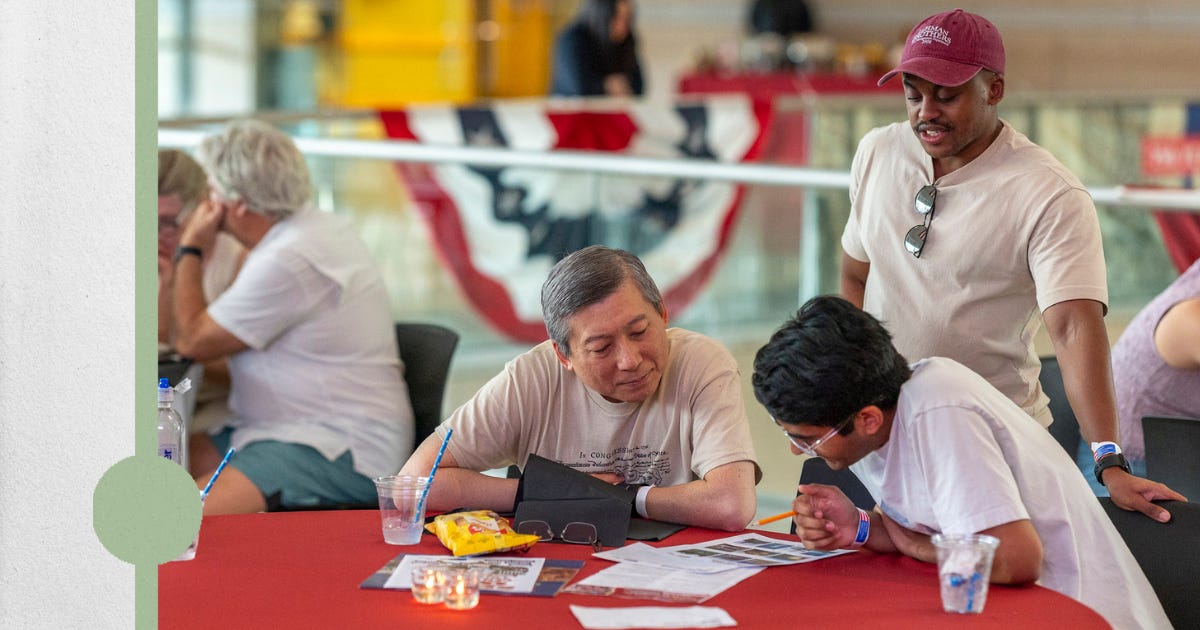
Civic institutions have experimented with experiences like these for years: trivia nights, cocktail hours, after-hours events, concerts, crafts, and games. We have dabbled in them at the National Constitution Center, too. But too often, programs like these remain at the edges of our work rather than becoming a sustained strategy for reaching audiences we otherwise struggle to engage.
Part of the reason is that they can look more social than educational. That can make them seem peripheral to the mission, or less worthy of sustained philanthropic investment than exhibits, school programs, scholarship, and other more traditional forms of civic learning.
I want to challenge that assumption.
Consider the size of the audience we are talking about. Tens of millions of young adults and adults without children are moving through stages of life in which the built-in invitations to civic institutions are fewer. Reaching them more intentionally could significantly expand who civic institutions meaningfully engage.
And the case for creating these new invitations extends beyond civic learning. Americans are spending less time together. According to the Bureau of Labor Statistics’ American Time Use Survey, the share of Americans age 15 and older who spent time socializing and communicating as a primary activity on an average day fell from 38% in 2014 to 30% in 2024. The average time spent on those activities also fell, from 43 minutes to 35 minutes.
Civic institutions have something valuable to offer in response: spaces built for public purpose where people can gather, spend time together, and connect face to face.
Research from the American Alliance of Museums suggests that making greater use of those spaces for social experiences can also help museums reach less-engaged audiences. In 2025, 43% of casual museum-goers and 45% of sporadic museum-goers said they only visit museums with family or friends, compared with 31% of frequent museum-goers. AAM also found that younger adults are more likely than older adults to want interactive experiences such as creating together and playing games or challenges. And for some less frequent visitors, museums may simply be “off their radar,” rather than places they have decided not to visit.
A social experience can address both needs at once: giving people a place to spend time together while inviting them into a civic institution where they can encounter history, ideas, objects, and questions they might not have sought out on their own.
But we have to get the calibration right. If these experiences are going to reach new audiences, a fun night out cannot feel like an educational program in disguise. The social experience has to be genuine: Come for trivia, the food and wine, or a night out with friends. But while you are here, learn a few things with us.
That learning can be light but intentional. A trivia night can weave questions drawn from the galleries into a broader game. A craft night can introduce a story or object that gives what people are making greater meaning. An after-hours event can pair food and wine with a historical period. The experience should be worth having in its own right while leaving room for curiosity to take hold. Someone comes for trivia and encounters an exhibit. Friends come for an after-hours event and discover another program they want to attend. One experience creates a reason for the next.
During the Civic Decade, we have a generational opportunity to strengthen not only what Americans know about our history and system of government, but also their relationships with one another and with the institutions that sustain civic life. That requires thinking more expansively about who receives an invitation to participate, how we sustain those relationships across different stages of life, and what might bring people through the door.
Philanthropy has an important role to play. Exhibits, educational programs, scholarship, and civil dialogue remain essential. But joyful, social experiences deserve serious investment, too. Creating opportunities for people to gather and connect while welcoming new audiences into civic institutions is not peripheral to lifelong civic learning. It is part of building it.
The trivia night is not trivial. Done with purpose, it can give people a place to find one another and, in the process, help more Americans find a place for themselves in civic life and civic learning.