


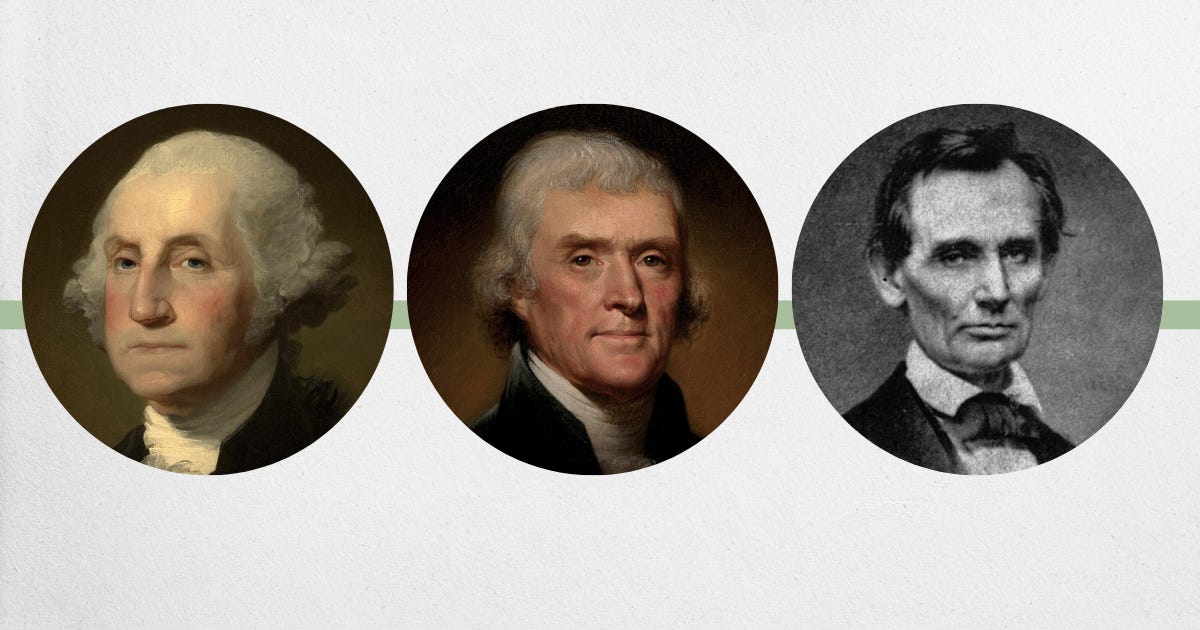
Self-government has always been fragile.
That may be an uncomfortable thought at a time when many Americans are anxious about the future of our constitutional democracy. Political divisions run deep. Trust in institutions is strained. A 2026 Pew Research Center survey found that 69% of Americans were dissatisfied with how democracy was working in the United States.
But fragility is not a uniquely modern condition. It is inherent in the nature of self-government. Government is made up of human beings, and human beings are imperfect. We have competing interests, different convictions, and deeply held disagreements about what is best for ourselves, our communities, and our country. We are capable of extraordinary cooperation and generosity, but also ambition, self-interest, suspicion, and division.
The American founders understood this. They designed a constitutional system that accounted for the imperfections of human nature rather than assuming that citizens and leaders would always act virtuously. Separation of powers, checks and balances, federalism, and protections for individual rights were intended to limit the concentration and abuse of power.
Yet institutional design could take them only so far. Constitutional institutions are necessary for self-government, but they are not sufficient. Our democracy also depends on the character of its people, their commitment to the common good, and their willingness to exercise the virtues of citizenship.
The founders’ own experience confirmed what the lessons of antiquity had taught them about the importance of character and virtue. Winning independence required extraordinary sacrifice and cooperation among 13 states with competing interests. When the Articles of Confederation proved inadequate, Americans had to negotiate a new constitutional framework and secure its ratification despite profound disagreements. Even after the Bill of Rights was ratified in 1791, the young nation continued to confront bitter political divisions, economic challenges, and foreign threats.
By 1796, George Washington had grown deeply concerned about the rise of political factions and sectional divisions. In his Farewell Address, he warned that the “spirit of party” was “inseparable from our nature, having its root in the strongest passions of the human mind.” Carried to excess, party passions could inflame divisions and open the door to ambitious leaders who sought power at the expense of liberty.
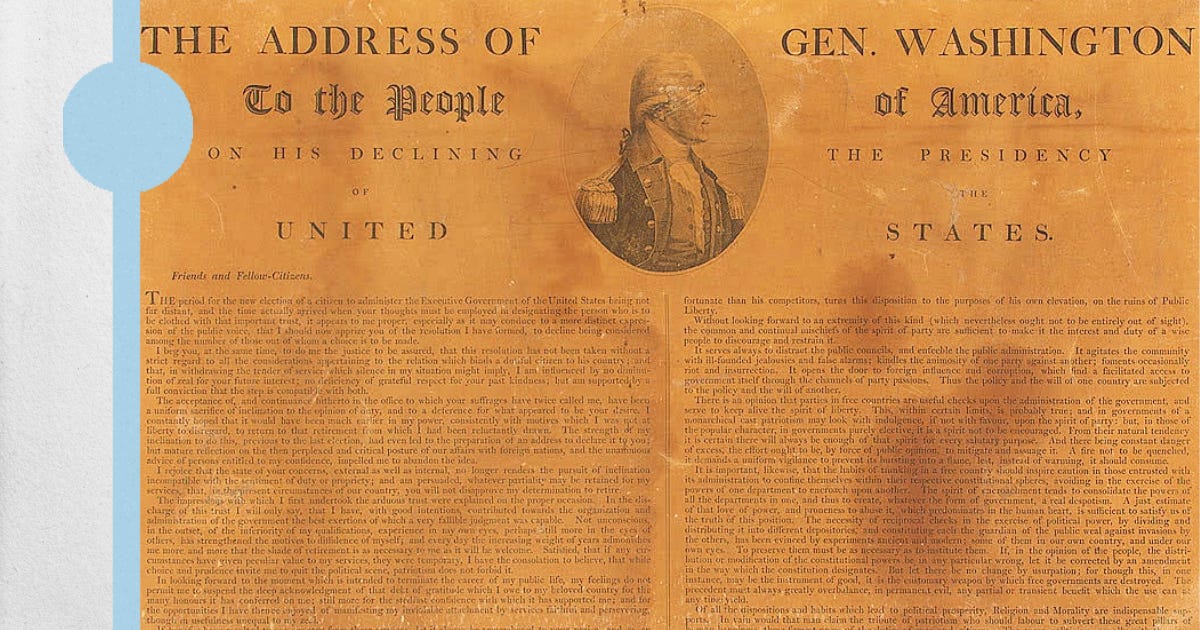
Washington also warned against the temptation for one branch of government to encroach upon another. He defended the necessity of “reciprocal checks” in the exercise of political power. “To preserve them must be as necessary as to institute them,” he insisted. His warning was rooted in an understanding of human nature: even those entrusted with constitutional authority could be tempted to exceed its limits.
Yet his defense of constitutional institutions was accompanied by an equally forceful appeal to civic character. “Virtue or morality,” he wrote, “is a necessary spring of popular government.” He urged Americans to promote institutions for the general diffusion of knowledge, reminding his fellow citizens that “public opinion should be enlightened.”
Washington understood that the machinery of government could not operate independently of the people entrusted with its care. Those who exercised power needed judgment and restraint. Those who selected their leaders needed knowledge and discernment. And all Americans needed a sense of obligation to the larger political community.
The challenges Washington feared soon became impossible to ignore. The election of 1800 exposed deep divisions between Federalists and Democratic-Republicans. An electoral tie between Thomas Jefferson and Aaron Burr sent the contest to the House of Representatives, where 36 ballots were required to determine the presidency. The transfer of power between rival political parties tested a constitutional system still finding its footing.
When Jefferson took office in 1801, he appealed to Americans to accept the constitutional outcome and “unite in common efforts for the common good.” Jefferson recognized the authority of electoral majorities, but insisted that majority power had constitutional and moral limits. The minority possessed “their equal rights, which equal law must protect,” and violating those rights would constitute oppression.
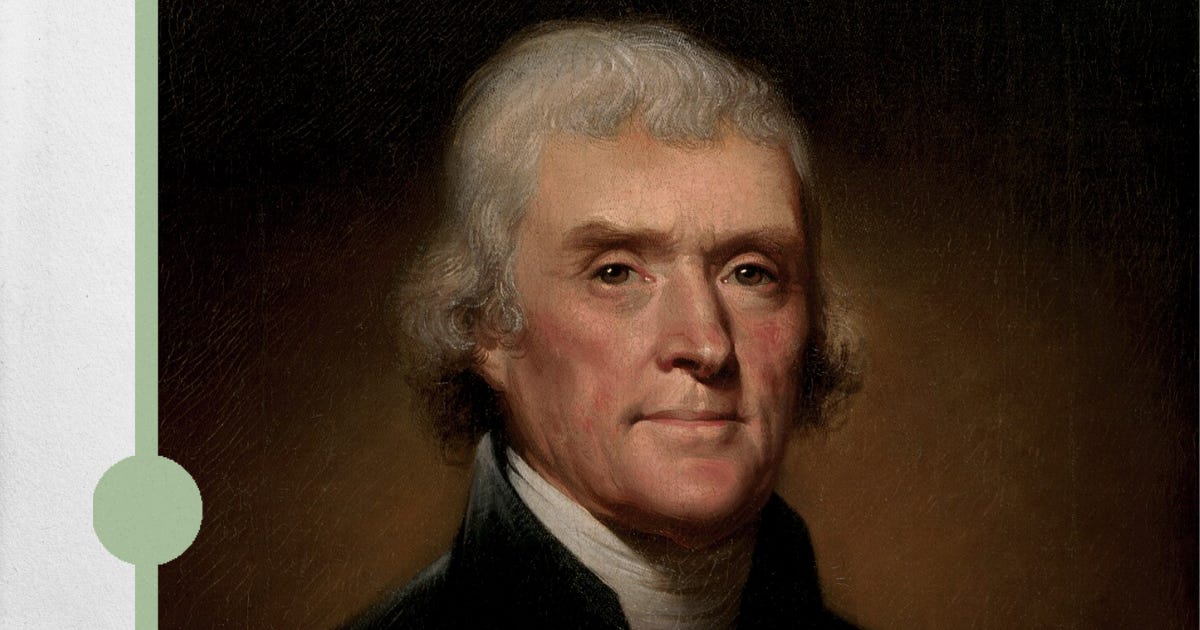
Political victory did not erase obligations to those who supported the losing side. Nor did it require Americans to abandon their convictions. “Every difference of opinion is not a difference of principle,” Jefferson declared. He urged Americans to restore “that harmony and affection without which liberty and even life itself are but dreary things,” warning against “a political intolerance as despotic, as wicked” as the religious intolerance they had rejected.
The peaceful transfer of power was a constitutional achievement, but its endurance depended on more than the rules governing elections. Citizens and leaders had to accept the results, exercise restraint, and respect the rights of those with whom they disagreed. Jefferson was not asking Americans to abandon their political principles. He was appealing to the habits of citizenship necessary to preserve liberty amid disagreement.
There is, however, a profound contradiction embedded in these appeals. Washington and Jefferson both recognized slavery’s injustice, yet both enslaved human beings while calling upon Americans to exercise civic virtue and defend constitutional liberty. Washington ultimately provided in his will for the emancipation of the people he personally enslaved, while Jefferson freed only a small number during his lifetime and at his death. Their complicated legacies reveal the distance that can exist between the virtues we profess and the values we live by. The virtues of citizenship demand more than conviction. They require the courage to put our principles into practice.
That contradiction would eventually bring the nation to its gravest moment of constitutional fragility, a true crisis: the Civil War.
In his 1854 Peoria speech, Abraham Lincoln condemned slavery as a “monstrous injustice.” He warned that its expansion enabled the enemies of free institutions to “taunt us as hypocrites” and placed Americans in conflict with “the very fundamental principles of civil liberty.” By 1858, The Kansas- Nebraska Act and the Supreme Court’s Dred Scott decision had weakened barriers to slavery’s expansion.
Here was the danger Washington’s appeals to civic virtue could not resolve through institutional design alone. The nation possessed a Constitution, a Congress, a presidency, and a Supreme Court. Yet institutions established to govern a free people were being used to secure and extend human bondage. Constitutional authority, without the moral judgment to direct its exercise, could become an instrument of profound injustice.
In his “House Divided” speech that year, Lincoln warned that “a house divided against itself cannot stand.” He did not predict the immediate collapse of the Union. Rather, he argued that the nation could not remain permanently divided between slavery and freedom. Within a few years, the conflict over slavery would erupt into a bloody Civil War, threatening the survival of the American experiment in self-government.
Lincoln’s answer was not to abandon constitutional politics. He sought to persuade his fellow Americans, build a political movement, and change the direction of national policy. At Cooper Union in 1860, he challenged Americans to stand by their convictions rather than yield to threats or political pressure. His closing appeal was unmistakable: “Let us have faith that right makes might, and in that faith, let us, to the end, dare to do our duty as we understand it.”

The Union’s victory preserved the nation, and the Reconstruction Amendments abolished slavery and established new guarantees of citizenship, equal protection, and voting rights. But those constitutional commitments depended on citizens and leaders willing to uphold them. As federal protections receded and white supremacist violence and discrimination took hold, many of Reconstruction’s immediate gains were dismantled. Disenfranchisement and Jim Crow segregation followed. These were failures of institutions and of the moral courage and political will needed to defend the rights those institutions were entrusted to protect.
Reversing those injustices required extraordinary courage from citizens and government leaders alike. Generations of civil rights advocates organized, marched, litigated, and risked their lives to demand that the nation honor its constitutional commitments. Their efforts, joined by leaders willing to act through the courts, Congress, and the presidency, helped dismantle legally enforced segregation and strengthen protections for voting rights.
The experience of Reconstruction and the civil rights movements offers a powerful lesson. Constitutional guarantees matter enormously. But they cannot enforce themselves. Their promise depends on people willing to exercise power responsibly and summon the courage to secure liberty and equality for all.
Our history makes clear that self-government does not become fragile only in moments of crisis. Its fragility is ever-present, even when our institutions appear secure. The concerns many Americans express today remind us how uncertain the future of our constitutional democracy can sometimes feel. But history offers another, more hopeful lesson. At some of our nation’s most consequential moments, Americans have refused to surrender to despair or withdraw from civic life. They have organized, participated, and accepted responsibility for the country’s future. Moments of extraordinary fragility have also called forth extraordinary acts of civic courage.
That history places a responsibility on every generation, including our own. Concern about the future of self-government should deepen our resolve to participate, not diminish it. We need the judgment to distinguish principle from partisanship, the restraint to respect the rights of others, and the willingness to work with fellow Americans toward the common good.
These virtues demand more than civility or agreement. They require us to remain engaged across our differences, even when doing so is difficult. Sometimes citizenship calls for compromise and forbearance. At other times, it calls for moral courage and principled disagreement. In either case, we must believe that our individual and collective actions can make a difference.
We cannot reserve these responsibilities only for moments of grave crisis. The habits that sustain self-government must be cultivated long before they are tested. Families, schools, religious congregations, voluntary associations, and civic institutions all help develop the knowledge, character, and sense of responsibility we bring to public life. We strengthen these capacities through participation, working alongside others, navigating disagreements, and contributing to the communities we share.
I often return to an inscription in the rotunda of the Oregon State Capitol that has stayed with me: “In the souls of its citizens will be found the likeness of the state which, if they be unjust and tyrannical, then will it reflect their vices, but if they be lovers of righteousness, confident in their liberties, so will it be clean in justice, bold in freedom.”
I find those words both sobering and hopeful. They remind us that the character of our government is inseparable from the character and commitments of the people who sustain it.
Washington understood this when he insisted that virtue was essential to popular government. Jefferson echoed that responsibility in his appeal to the common good and his insistence that the rights of political opponents must be respected. Lincoln understood it when he called upon Americans to have faith in what was right and the courage to do their duty.
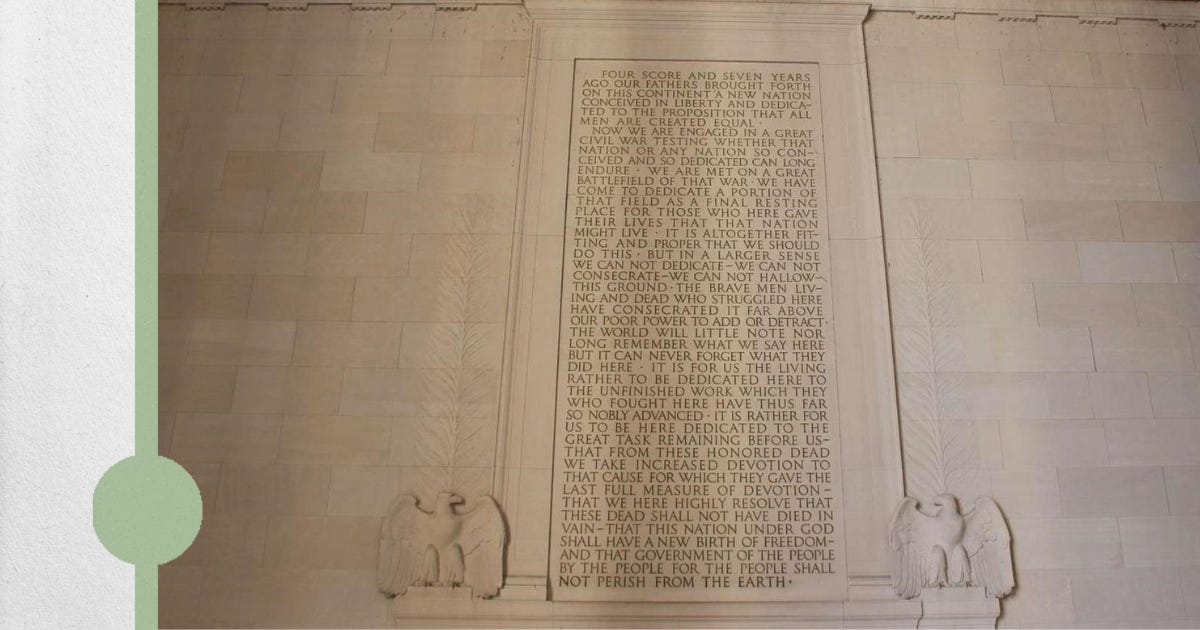
And Lincoln returned to this fundamental idea at Gettysburg. Amid the immense sacrifices of the Civil War, he called upon the living to dedicate themselves to the unfinished work of preserving “government of the people, by the people, for the people.”
More than a century and a half later, that work remains unfinished. Self-government is inherently fragile because it rests in human hands. Its endurance depends on strong constitutional institutions and on citizens who possess the character, knowledge, and courage to strengthen and sustain them.